
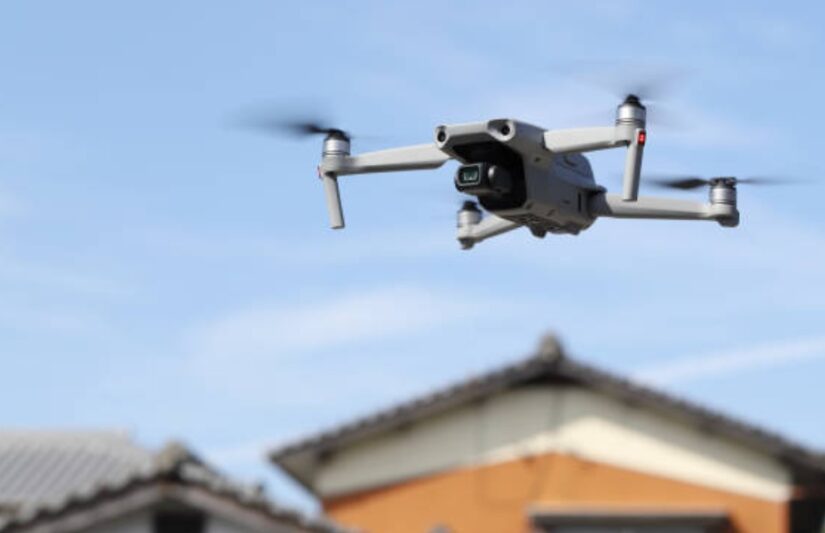
Unmanned Aerial Vehicles (UAVs) and consumer drones often get used interchangeably in everyday conversation, but there are significant differences between the two categories. Understanding these distinctions is crucial for industries relying on aerial technology, as well as hobbyists seeking to make informed purchases. This UAV vs drone comparison guide will help clarify the unique features, applications, and capabilities of each type of aircraft.
Definition and Core Purpose
At the most basic level, UAVs refer to any aircraft operated without a human pilot onboard, controlled either autonomously or remotely. Consumer drones, on the other hand, are a subset of UAVs designed primarily for recreational use by individuals. They are generally smaller, easier to operate, and less expensive than industrial or commercial UAVs.
UAVs encompass a wide range of devices used in professional contexts such as surveillance drone missions, drone inspection, and drone utility inspection tasks. These applications demand advanced technology, robust construction, and specialized capabilities beyond what consumer drones offer.
Design and Technical Specifications
One of the most noticeable differences lies in the design and technical specifications:
- Size and Build: UAVs used in commercial or industrial settings tend to be larger and built with durable materials to withstand harsh environments. Consumer drones are compact and lightweight, prioritizing portability and ease of use.
- Flight Time and Range: Commercial UAVs often have longer flight times and extended operational ranges to complete complex tasks, while consumer drones typically have shorter battery lives and limited control distances.
- Payload Capacity: Industrial UAVs can carry specialized equipment such as high-resolution cameras, thermal sensors, or LiDAR systems for drone security and inspection missions. Consumer drones usually carry basic cameras intended for casual photography or videography.
Applications in Various Industries
The intended use of UAVs versus consumer drones significantly influences their features and performance. Commercial drones are integral to sectors including agriculture, infrastructure maintenance, and law enforcement. For example, drone utility inspection helps identify faults in power lines or pipelines remotely, enhancing safety and efficiency. Surveillance drone operations support security and monitoring tasks on a scale far beyond the capabilities of consumer drones.
In contrast, consumer drones are mostly used for personal enjoyment, aerial photography, and racing. Their limited capabilities restrict their use in professional or industrial contexts, where precision and reliability are paramount.
Regulatory and Operational Differences
Regulations governing UAVs and consumer drones also vary. Professional UAV operators typically require certifications and must comply with stringent rules regarding flight altitude, no-fly zones, and data privacy. Consumer drones face fewer restrictions but still must adhere to basic guidelines to ensure public safety.
Furthermore, UAV operations in commercial contexts often involve complex flight planning, real-time data transmission, and integration with other monitoring systems. Consumer drones offer simpler interfaces and automated flight modes designed for ease of use by non-experts.
Choosing Between a UAV and a Consumer Drone
When deciding between a UAV and a consumer drone, users must consider several factors:
- Purpose: Is the drone intended for professional use or recreational flying?
- Performance Requirements: What level of flight time, range, and payload capacity is necessary?
- Budget: UAVs from a high-performance industrial drone manufacturer often come with higher costs reflecting their advanced capabilities.
- Compliance: Are there regulatory requirements the operator must meet?
Making an informed choice ensures the selected aircraft meets the operational demands and safety standards for its intended environment.
Elevating Industry Standards with UAVs
The rapid advancement of UAV technology continues to transform how industries approach tasks like drone inspection and security. By leveraging the sophisticated features of UAVs, organizations optimize efficiencies and reduce risks in ways consumer drones cannot match. As the market evolves, understanding the key differences between UAVs and consumer drones will remain essential for professionals and enthusiasts alike.